
Dr. Mohammed Rafique Mughal
Pioneering Archaeologist in the Indus Valley Civilization, Heritage Conservation & South Asian Archaeology
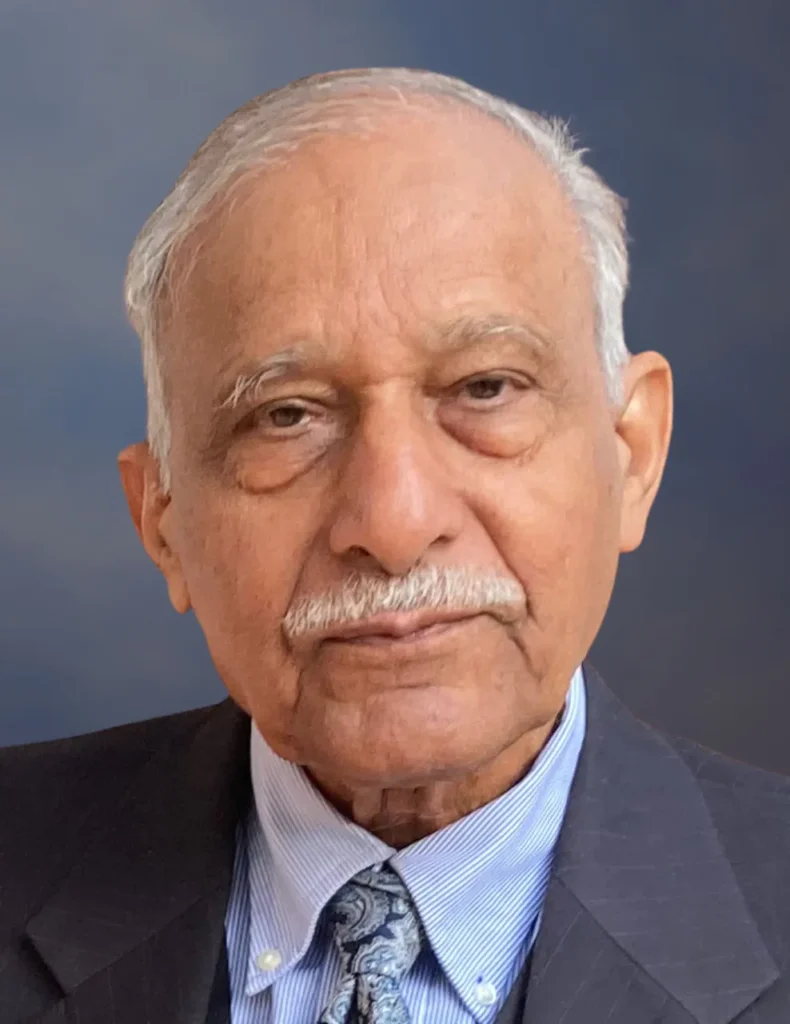
Dr. Mohammad Rafique Mughal is a world-renowned Pakistani archaeologist and Professor Emeritus at Boston University, specializing in South Asian archaeology, Indus Valley civilization, and international heritage management. Holding a Ph.D. in Anthropology from the University of Pennsylvania, he has spent over six decades conducting groundbreaking excavations and surveys across Pakistan, uncovering remains of Islamic, Buddhist, and Proto-historic periods in Punjab, Khyber-Pakhtunkhwa, and Gilgit-Baltistan. A recipient of Pakistan’s prestigious Tamgha-i-Imtiaz award, Dr. Mughal’s pioneering research has significantly advanced our understanding of the Harappan civilization, Gandhara art, and the architectural heritage of the Muslim period in Pakistan.
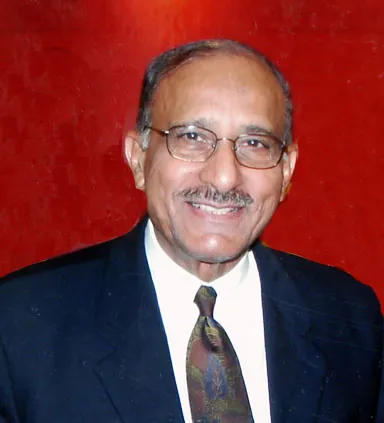
Meet
Dr. Mohammed Rafique Mughal
Dr. Mohammad Rafique Mughal is a distinguished Pakistani archaeologist renowned for his groundbreaking contributions to South Asian archaeology, heritage management, and cultural preservation. Over six decades of pioneering research and excavations across Punjab, Khyber-Pakhtunkhwa, and Gilgit-Baltistan have significantly advanced our understanding of the Islamic, Buddhist, and Proto-historic periods of Pakistan.
Holding a Ph.D. in Anthropology from the Ivy League University of Pennsylvania, Dr. Mughal specializes in the archaeology of Pakistan and South Asia, with a particular focus on the Indus and Harappan civilization, early Islamic archaeology of Sindh, Gandhara art, Muslim architecture of Pakistan, and international heritage management and conservation.
A career marked by numerous prestigious roles and accolades, Dr. Mughal has earned international recognition as a leading authority in South Asian archaeology and heritage conservation. culminating in the conferral of Pakistan’s national honor, the Tamgha-i-Imtiaz, by the President of Pakistan in 1992 for his outstanding contributions to the archaeology and cultural heritage of Pakistan.
Professor Emeritus of Archaeology & Heritage Management
Department of Archaeology, Boston University, USA
Former Director General of Archaeology & Museums
Government of Pakistan
Archaeological Advisor
Tamgha-i-Imtiaz Award
Awarded by the President of Pakistan in 1992 for his exceptional contributions to archaeology
Contributions
Archaeological Field Research
Directed 40+ major excavations and surveys across Pakistan, Bahrain, and Bangladesh, uncovering hundreds of Indus Civilization settlements from the Prehistoric to the Islamic period.
Ethnoarchaeological Research
Conducted pioneering ethnoarchaeological research in Chitral, northern Pakistan, enhancing our understanding of ancient cultures and their practices.
Restoration & Conservation
Directed and supervised the restoration and conservation of 30+ monuments and excavated remains across Pakistan, preserving the nation's rich heritage for future generations.
Heritage Conservation
Supervised 50+ conservation proposals for Pakistan's architectural heritage, including UNESCO World Heritage Sites Lahore Fort and Shalamar Garden — with 40+ approved and funded.
Museum Development
Played a key role in establishing Pakistan's Islamabad Museum and reorganizing the Swat Museum in collaboration with Japanese museologists.
International Collaboration
Served as expert and delegate for UNESCO, ICOMOS, and the World Bank, contributing to global heritage preservation alongside international teams from the USA, UK, Japan, and Australia.
Research & Publications
Authored 60+ publications in leading international journals across the USA, UK, France, Germany, Japan, and India, with key works translated into Japanese, French, German, and Sindhi.
Academic Contributions
Taught South Asian archaeology and heritage management at Boston University, Harvard, the University of Pennsylvania, and UC Berkeley over more than ten academic years.